If you are thinking about buying in Caldera Springs as a second home or investment, the biggest question is usually not whether the community is appealing. It is whether the ownership model fits how you actually plan to use the property. If you want a clear look at costs, rental rules, and what to verify before you buy in 97707, this guide will help you sort through the details and move forward with confidence. Let’s dive in.
Why buyers consider Caldera Springs
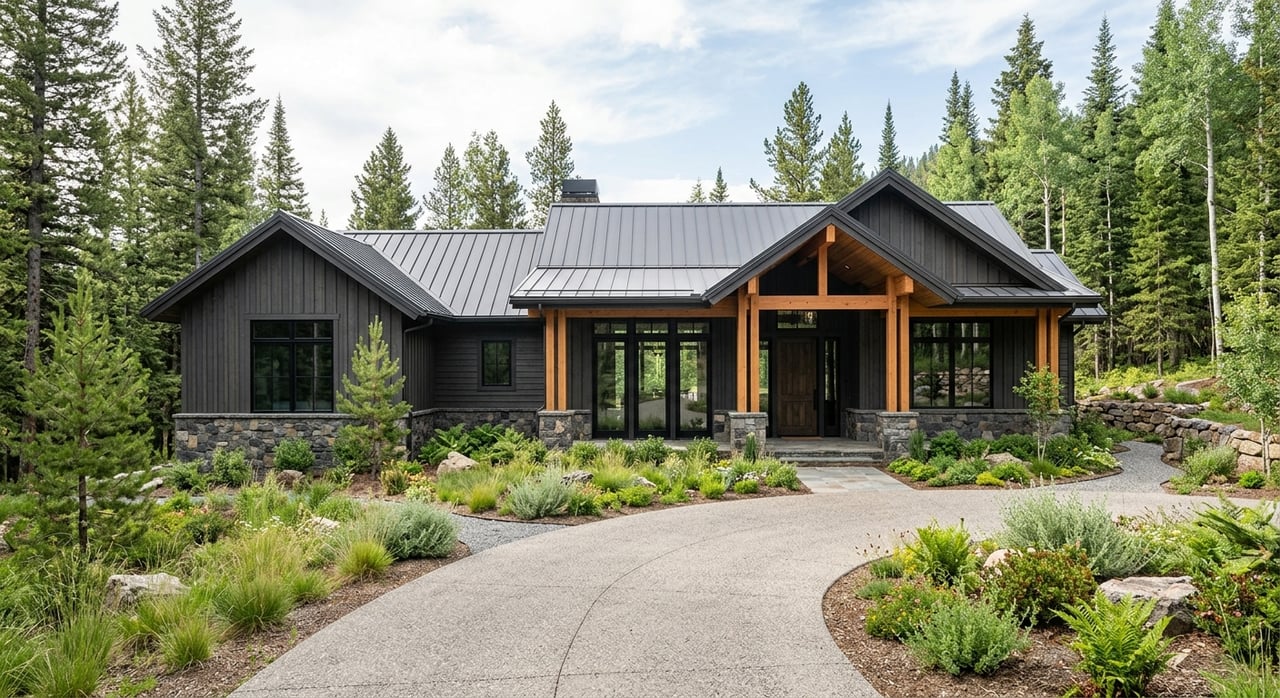
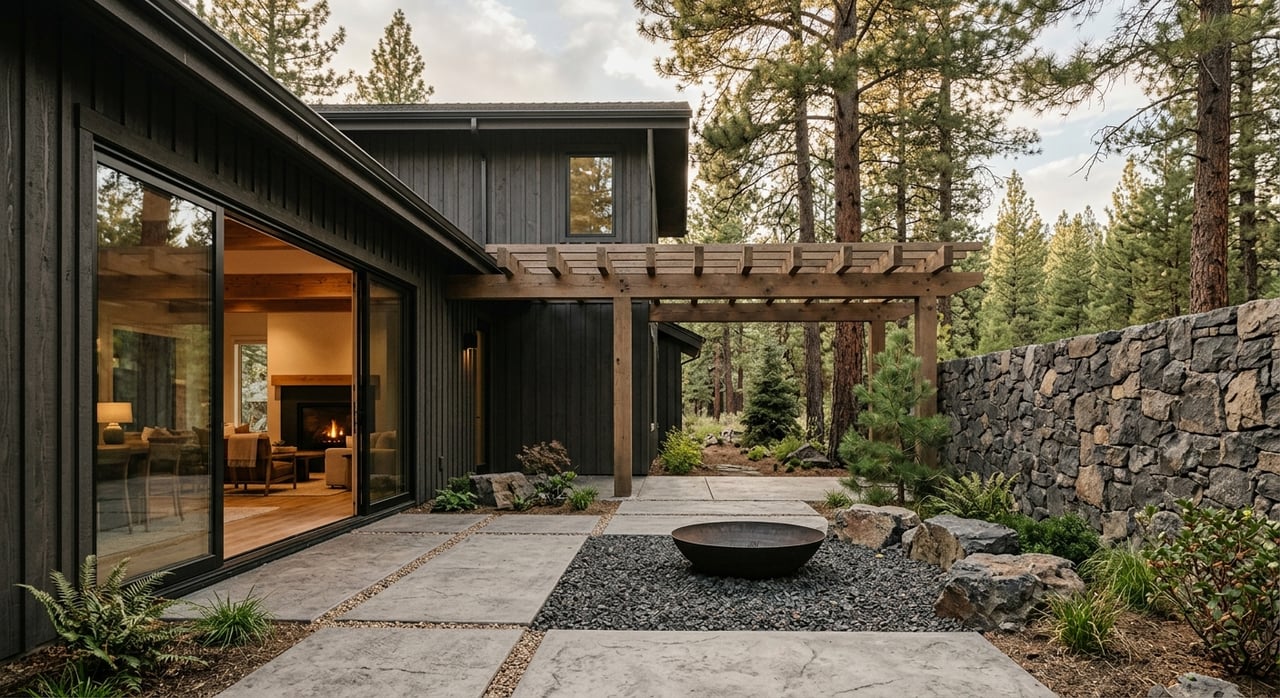
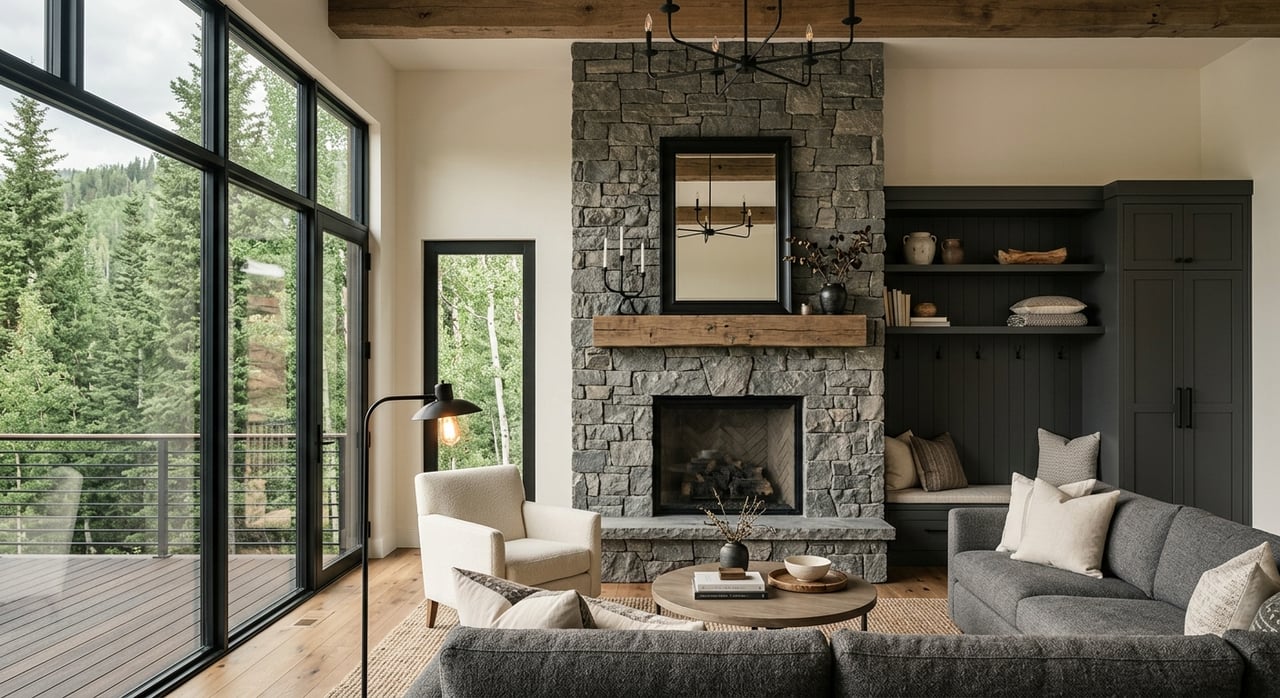
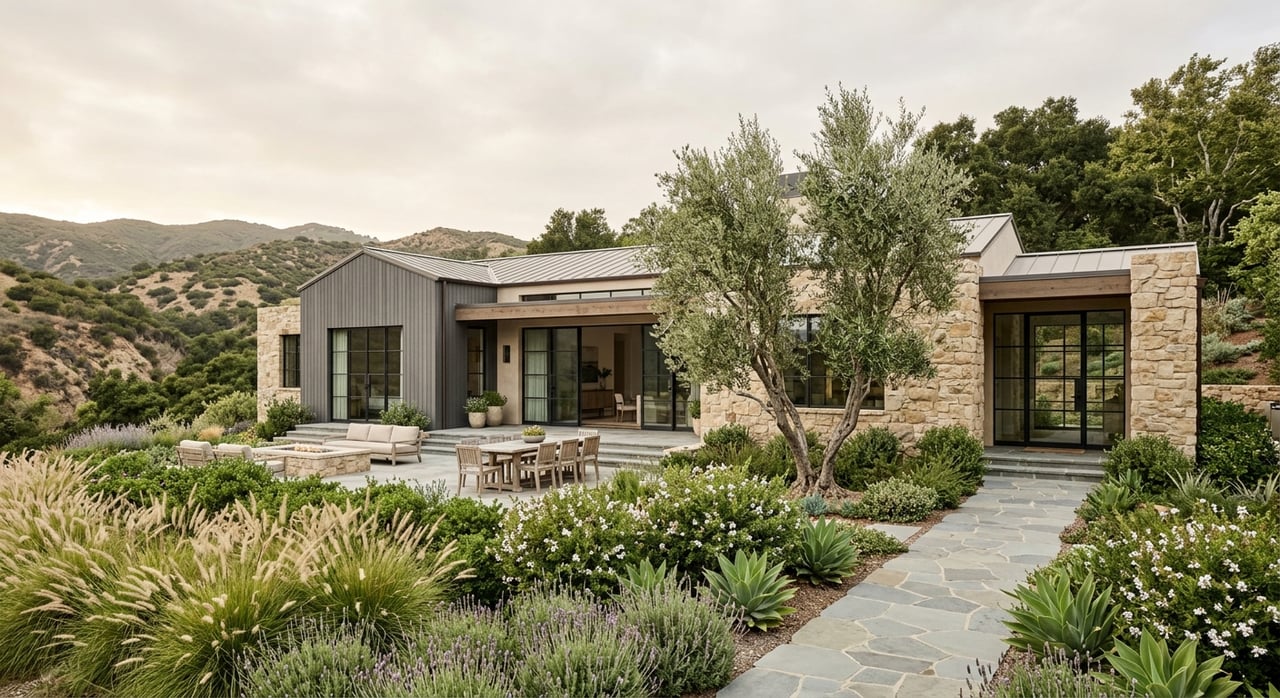
Caldera Springs is a residential resort community in Sunriver, Oregon, about 15 miles south of Bend. According to the official community overview, it spans 1,000 acres and includes 220 protected acres of Wildlife Forest Preserve. That setting is a major draw for buyers who want a second home with a strong recreation and nature component.
The amenity package is also a big part of the appeal. The 2025 facts sheet highlights Caldera Links and Golf Park, lakes and streams, trails, the Lake House, the Forest House aquatics complex, the Quarry Pool & Fitness Center, outdoor spas, and multiple parks and courts. For many buyers, that combination supports both personal enjoyment and potential guest appeal.
At the same time, Caldera Springs is not a one-size-fits-all ownership option. It works best for buyers who want a structured resort environment and are comfortable with HOA oversight, operating rules, and shared-community standards. If you prefer minimal rules or a fully hands-off setup, this may not be the right fit.
Choose your ownership strategy first
Before you look at floor plans, rental projections, or homesite options, define your real goal. In Caldera Springs, your ownership strategy shapes what property type makes sense and which costs matter most. A second home used mostly by you has a very different profile than a purpose-built vacation rental.
In general, buyers fall into three buckets:
- Pure second-home buyers who want personal use and may rarely rent
- Part-time rental owners who want personal enjoyment plus some offsetting income
- Rental-focused buyers who prioritize guest use, booking structure, and operational efficiency
This step matters because Caldera Springs includes several product types with different rules and economics. The official facts sheet and Forestbrook page make clear that homesites, custom homes, cabins, Forestbrook, and Lakeside do not all function the same way.
Product types are not interchangeable
Some options are designed around traditional ownership, while others are more closely tied to vacation-rental use. For example, Forestbrook is designed around a two-residence format with an attached studio, and the same page notes that Lakeside has a stated minimum rental availability of 38 weeks per year. That is very different from buying a custom second home for mostly personal use.
If you are comparing properties, confirm the exact property type first. That one detail can affect HOA costs, rental flexibility, landscaping charges, guest-access needs, and your long-term exit strategy.
Understand the ongoing cost structure
One of the most important parts of buying in Caldera Springs is understanding that the HOA is central to the ownership model. All lot owners are automatically members of the association, according to the 2025 facts sheet. That means dues are not an optional extra. They are part of how the community operates.
The 2025 approved budget summary sets the current master assessment at $1,095 per quarter, or $365 per month, based on 530 lots. The same budget allocates $390,000 to reserve funding, which helps show that dues are supporting both current operations and longer-term capital planning.
That monthly figure is only the starting point. Depending on the property type, you may also have sub-association fees or additional recurring charges. This is why it is so important to review the exact cost stack for the property you are considering.
What HOA dues are covering
In Caldera Springs, dues are intended to cover more than basic landscaping. The association documents show they support management, staffing, utilities, common-area contracts, and reserves. That broader structure helps explain why resort-community dues can feel higher than buyers expect if they are comparing them to a standard neighborhood HOA.
Some product types carry extra charges. The 2025 facts sheet lists a separate cabin sub-association fee of $1,945 per quarter. It also states that Forestbrook vacation homes have a separate landscaping charge of $2,496.30 per year plus metered water true-up.
Closing and build costs to verify
If you are buying a resale home, ask about the working capital contribution due at closing. The 2025 facts sheet lists that fee at $1,095 per lot or home, and the 2024 property report explains that the formula equals three times the then-current monthly assessment.
If you are buying a homesite, your cost picture is more layered. The same facts sheet lists a $7,000 design review and project completion fee, a $7,500 refundable construction deposit, and a $1,250 address sign fee. It also notes setback requirements and references prior utility connection figures, so current quotes should always be confirmed before you commit.
Know the rental rules before you buy
Caldera Springs does allow overnight rentals, but you should not assume every home operates the same way or that renting is totally plug-and-play. The association facts sheet says owners who rent must notify the association before placing the home in a rental service, complete annual registration, and purchase Rental Unit ID Cards.
Those rental cards are a meaningful operating cost. According to the 2025 Important Association Documents, you need one card for each bedroom in the home, cabin, or Forestbrook unit, plus one additional card. For the 2025-26 rental period, each card costs $320, and each card admits two guests to the Quarry Pool & Fitness Center.
That means amenity access for guests is not just a marketing perk. It is part of your rental math. If you are underwriting a property as an investment, build that into your annual operating assumptions.
Guest use and occupancy rules matter
Owners also receive 20 complimentary guest visits to the Quarry Pool & Fitness Center per calendar year, and additional guest passes cost $10 per visit, according to the same association documents. Owners who do not rent but expect frequent visitors may still need to budget for guest access.
Usage rules are specific and should be taken seriously. Overnight occupancy is limited to two people per bedroom or sleeping loft plus two additional people. Street parking is prohibited, no more than four vehicles may be parked in a driveway, and noise should cease by 10 p.m.
If you plan to rent, these rules affect how you market the home, screen guest expectations, and estimate wear and tear. They are also part of protecting the community experience, so tenant compliance becomes your responsibility as the owner.
Remote owners should plan for more due diligence
If you live outside Central Oregon, buying in Caldera Springs can still make sense, but remote ownership requires a more detailed review. Because this is a forested community, wildfire planning is part of ownership, especially during summer fire season. The association documents specifically reference emergency access, fire restrictions, and evacuation planning.
That does not mean ownership is unusually risky. It means you need to approach it with clear systems and realistic expectations. Remote buyers should think through property oversight, guest communication, seasonal maintenance, and emergency response from day one.
Rental management is part of the equation
For owners planning to rent, management structure matters as much as the home itself. A Sunriver Resort Vacation Properties guide sheet states that it is the only vacation-rental manager with offices in Caldera Springs and provides the central reservation and check-in service required in the supplemental declaration. The same guide says managed clients can access Caldera Springs and Sunriver Resort amenities and owner privileges unavailable elsewhere.
That is an important distinction if you are comparing self-use, occasional rental, and resort-oriented rental strategies. Make sure you understand what is included in HOA ownership versus what depends on participation in a resort-managed rental program.
County rules add another layer
In addition to community rules, Deschutes County has vacation-rental requirements for unincorporated areas. The county states that vacation-rental operators must register and pay an 8% transient room tax, and it also notes that paying that tax does not replace land-use approval. You can review those requirements on the Deschutes County transient room tax page.
The county also notes that Caldera Springs is one of several designated destination resorts and that allowed uses and setbacks are specific to the resort’s master plan. That means buyers should confirm not only whether rentals are allowed generally, but also whether the specific property aligns with the applicable land-use and resort rules.
Think about long-term value realistically
Many buyers are drawn to Caldera Springs because of its strong lifestyle appeal, and that is valid. But if you are buying as an investment or part-investment, it is wise to underwrite the purchase with a clear-eyed approach. Lifestyle value and financial value do not always move in lockstep.
The developer’s property report warns that future land value is uncertain, resale may be difficult or impossible, and value can be affected if roads, utilities, or proposed improvements are not completed. That does not mean you should avoid the community. It means you should treat the purchase as a real estate decision first, not just a resort dream.
Expansion can create both upside and questions
Caldera Springs is still growing east, with official pages describing Mirror Rock and the eastern expansion, including Preservation Park and new Wild Pine homesites. For some buyers, continued growth signals future amenity expansion and more long-term interest in the community.
For others, expansion raises practical questions. Construction timing, changing neighborhood plans, and evolving inventory can affect privacy, traffic flow, and resale competition. If you are choosing between an existing home and a homesite, these details should be part of your comparison.
A smart buyer checklist
Before you write an offer in Caldera Springs, focus on the details that affect how you will actually own and use the property:
- Confirm the exact property type: homesite, custom home, cabin, Forestbrook, or Lakeside
- Review the full assessment picture: master HOA, any sub-association fees, landscaping charges, and closing contributions
- Ask for association documents: current assessment ledger, reserve-study summary, and any known special-assessment exposure
- Verify rental compliance: HOA registration, rental-card requirements, occupancy limits, and county registration needs
- Check land-use and setbacks: especially if you are buying a homesite or planning future improvements
- Clarify utility and build costs: request current quotes instead of relying on older placeholder figures
- Understand management options: especially if you will be an out-of-area owner or plan to rent regularly
A careful review up front can save you from buying the right-looking property with the wrong ownership structure.
Is Caldera Springs right for you?
Caldera Springs can be a strong choice if you want a second home in a nature-forward resort setting and are comfortable with a structured ownership model. It can also work for some investment-minded buyers, especially when the property type and rental strategy are aligned from the start. The key is knowing that amenities, guest access, HOA rules, and rental logistics are all part of the investment story.
If you want help comparing homes, cabins, homesites, or rental-oriented options in Caldera Springs, working with a local broker who understands both Bend-area resort communities and remote-buyer logistics can make the process much smoother. When you are ready to talk through your options, Leah Bullen can help you evaluate the numbers, the rules, and the fit for your goals.
FAQs
What makes Caldera Springs appealing for a second-home buyer?
- Caldera Springs offers a resort-style setting with trails, lakes and streams, golf, aquatics, fitness amenities, and protected natural space, which can make it attractive for buyers who want personal use in a recreation-focused community.
What are the HOA dues in Caldera Springs in 2025?
- The 2025 master assessment is $1,095 per quarter, or $365 per month, though some property types may also have additional sub-association or landscaping charges.
Are vacation rentals allowed in Caldera Springs?
- Yes, overnight rentals are allowed, but owners must notify the association, complete annual registration, and purchase Rental Unit ID Cards if they rent the property.
What rental guest rules apply in Caldera Springs?
- Occupancy is limited to two people per bedroom or sleeping loft plus two additional people, street parking is prohibited, driveway parking is capped at four vehicles, and quiet hours begin at 10 p.m.
What should a buyer verify before purchasing a Caldera Springs homesite?
- You should verify design-review fees, construction deposits, setback requirements, current utility connection costs, and any master-plan or land-use constraints that affect the lot.
Does Deschutes County require vacation-rental registration for Caldera Springs properties?
- Yes, the county requires vacation-rental registration in unincorporated areas and imposes an 8% transient room tax, but tax payment does not replace any required land-use approval.