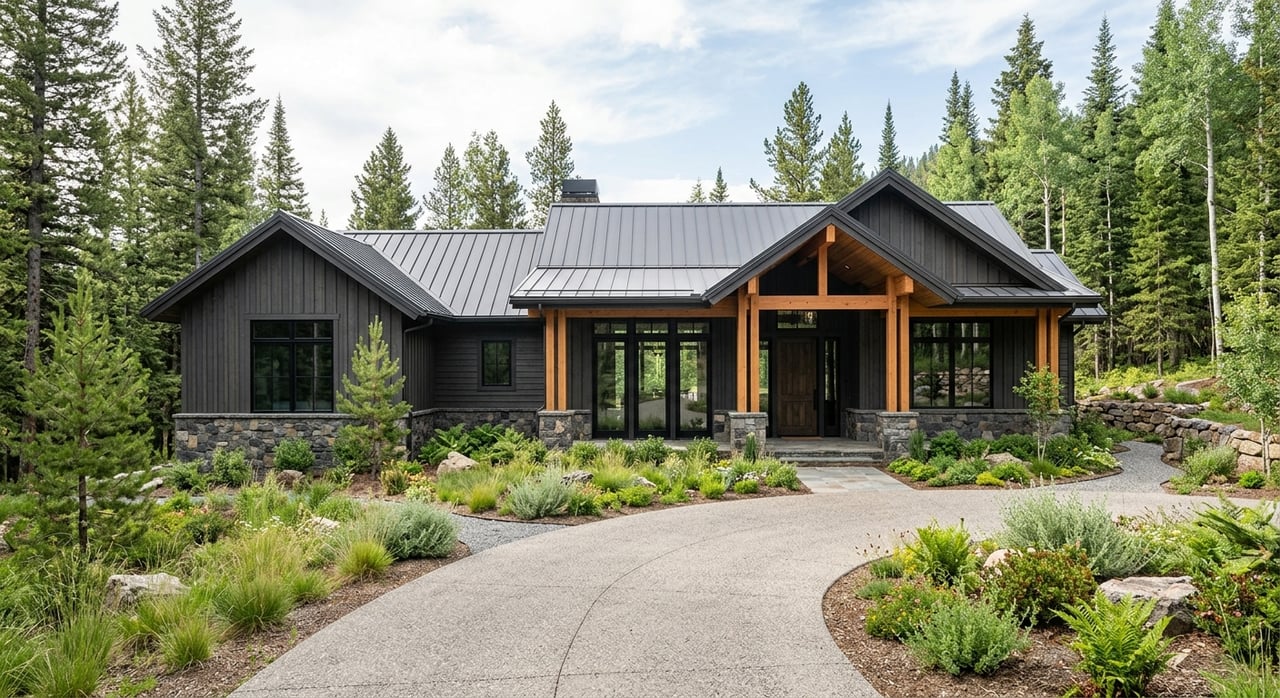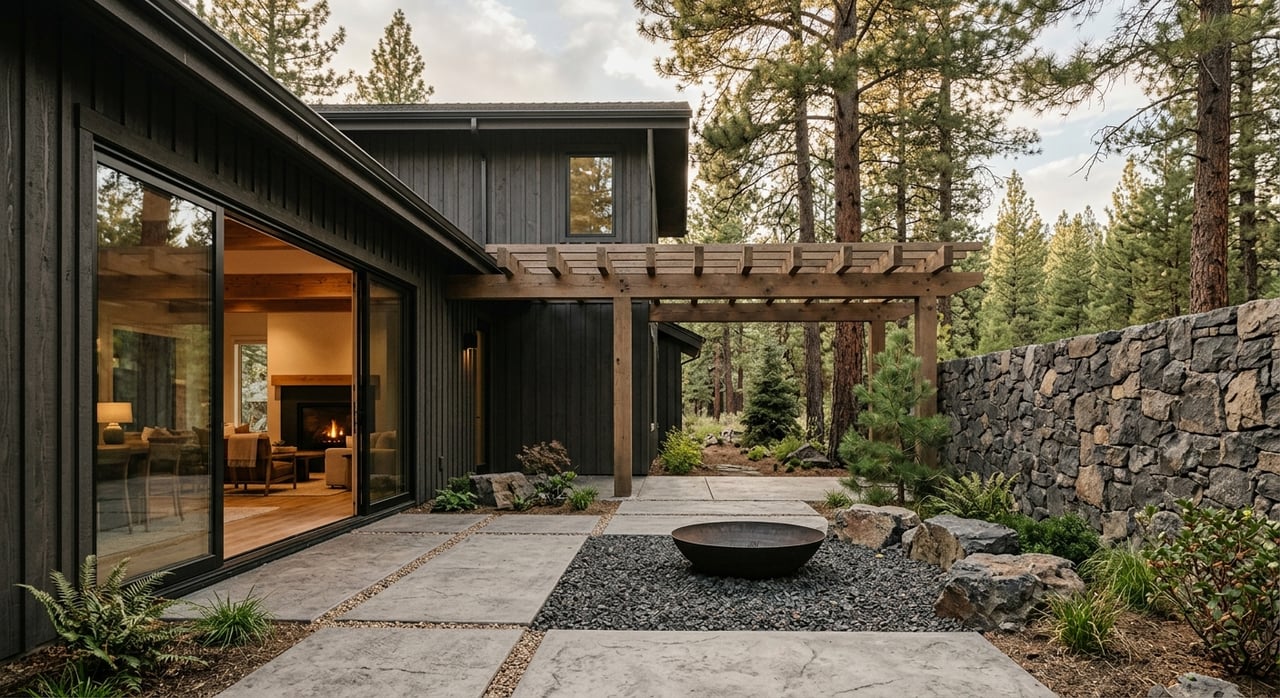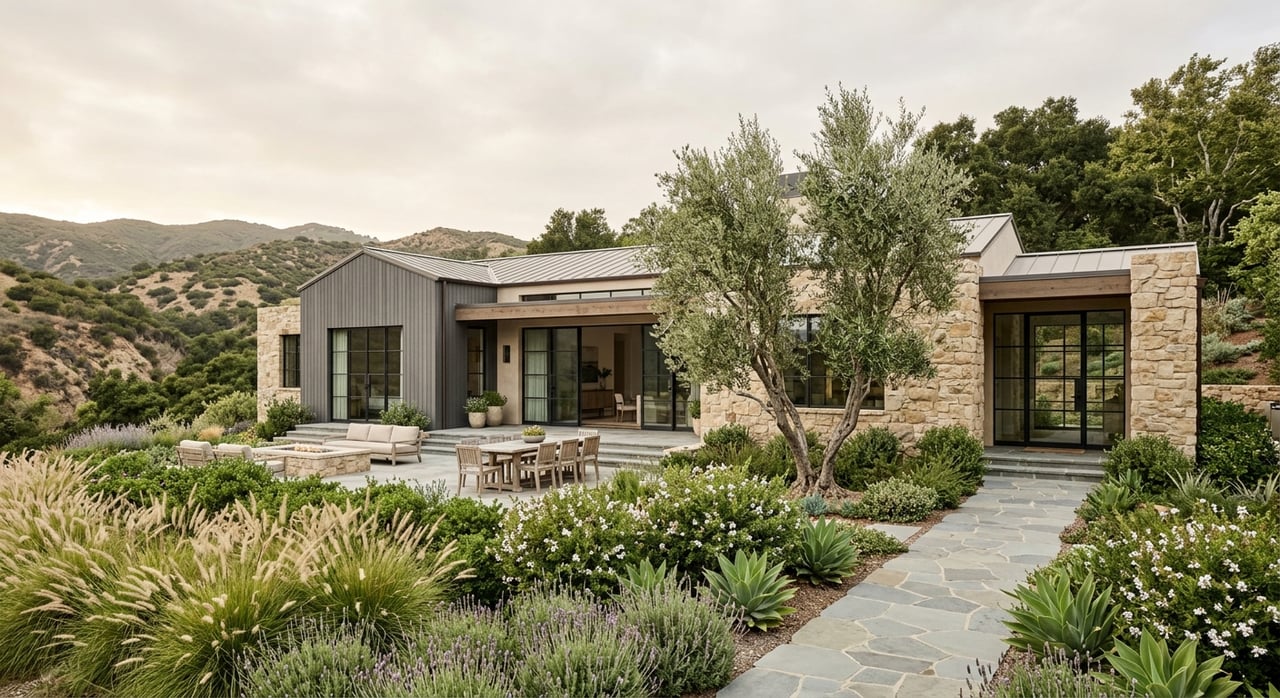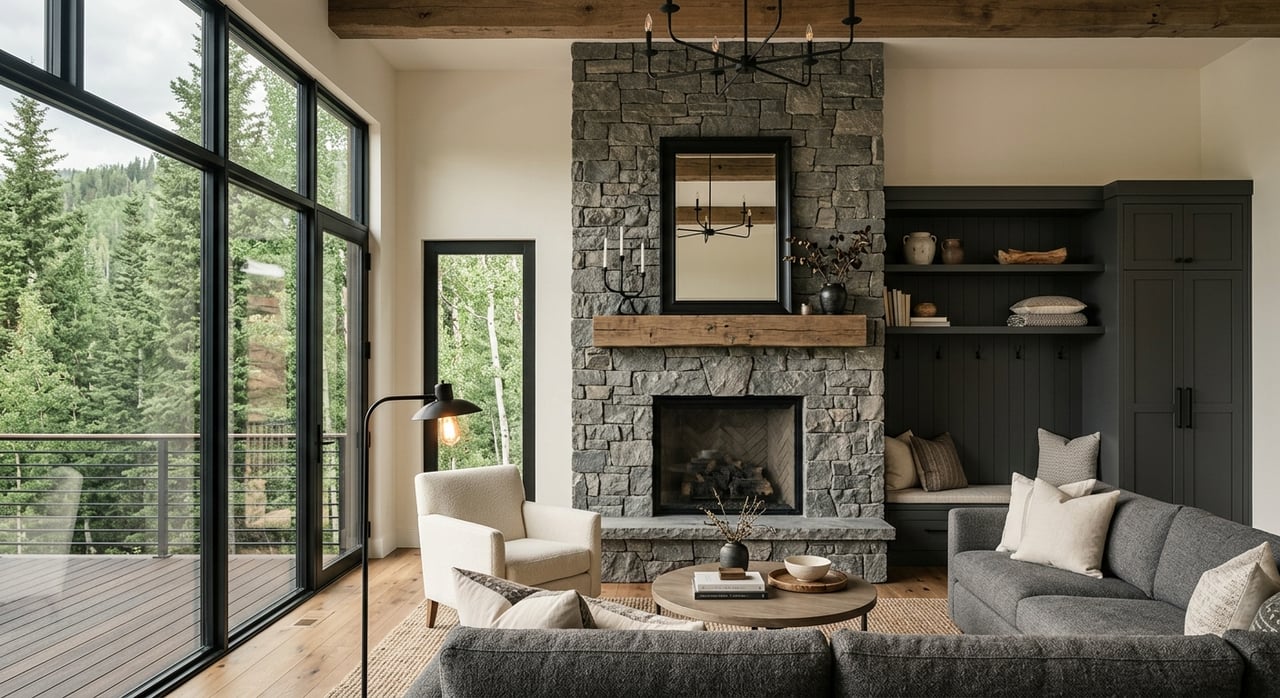
Wondering how to sell a home in Sunriver without leaving money on the table or getting tripped up by local rules? You are not alone. Selling here is different from selling in a typical neighborhood because your buyer may be a full-time resident, a second-home shopper, or someone purchasing from out of the area. The good news is that with the right pricing, timing, and preparation, you can position your home to stand out. Let’s dive in.
Why Sunriver selling is different
Sunriver is not just another Central Oregon community. It is a 3,300-plus-acre residential and resort area with 4,176 unit properties, about 1,200 permanent residents, and a strong vacation-rental economy. That mix changes how you should think about your sale.
In many markets, you are mainly competing for local buyers. In Sunriver, your audience often includes remote second-home buyers, investors, and people looking for a resort-style property as much as a house itself. That means your selling strategy should highlight both the home and the lifestyle around it.
Sunriver’s appeal is tied to its year-round amenities. Paved pathways, parks, aquatic facilities, tennis and pickleball, golf, spa access, a nature center and observatory, an airport, horseback riding, river floating, and village shopping and dining all help shape buyer interest. If you are selling here, your marketing should reflect that broader lifestyle story.
Price with today’s market in mind
Sunriver remains a premium market, but buyers have more room to compare options than they did in a faster-moving environment. Recent snapshots show median prices in the upper range, along with a more measured pace on market. Redfin reported a March 2026 median sale price of $885,000 and 98 days on market, while Realtor.com’s April 2026 snapshot showed 168 homes for sale, a median listing price of $789,000, a median sold price of $825,000, 61 days on market, and a 99% sale-to-list ratio.
The exact numbers differ because the sources track the market differently, but the message is consistent. Pricing realistically matters. Buyers are still active, yet they are likely to compare condition, amenities, location, and ease of ownership before making an offer.
If you overprice, you may lose momentum early. If you price too low, you may leave value behind. In a market like Sunriver, strong pricing starts with a current valuation, careful property comparisons, and a clear understanding of how your home fits today’s inventory.
Choose timing that supports your story
Sunriver is an all-season destination, but each season sells a slightly different version of the lifestyle. The area averages about 300 days of sunshine a year, with summer as the most popular vacation season. Winter draws visitors for nearby snow access, and fall is also a favored time for owners and guests.
For many sellers, a late spring or summer launch offers the broadest appeal. Outdoor spaces tend to show beautifully, landscaping looks its best, and buyers can easily picture biking, floating, golfing, and enjoying the pathways and recreation options. Photos and video also tend to feel brighter and more inviting during this stretch.
That said, fall and winter can still work well. You just need to market the home differently. During colder months, buyers may respond more strongly to fireplaces, hot tubs, indoor-outdoor comfort, winter recreation access, and a cozy seasonal atmosphere.
Prepare the exterior first
In Sunriver, curb appeal is about more than looks. It is also about safety and compliance. Because the community is in the wildland-urban interface, the Ladder Fuels Reduction Plan is mandatory on private properties.
That makes exterior preparation a core part of your pre-listing plan. Pine-needle cleanup, trimmed limbs, work in the immediate area around the home, and fire-smart landscaping can improve both presentation and ignition resistance. This is not just a nice extra for photos. It is an important part of getting your property market-ready.
Before removing native trees or vegetation, be aware that Sunriver Owners Association requires written authorization. If you are planning cleanup or landscaping updates, it is smart to confirm what is allowed before starting work.
Get the home photo-ready for remote buyers
A large share of Sunriver buyers may first experience your home online rather than in person. That matters because buyers rely heavily on digital listing content when narrowing their options. Research cited in the report shows buyers especially value photos, detailed property information, and floor plans, with listing photos ranking as the most useful feature for many buyers.
In practical terms, your listing needs more than a quick photo set. A strong Sunriver listing benefits from professional photography, a compelling lead image, clear room-to-room flow, and visual tools that help remote buyers understand the layout and feel of the property. Video and 3D tours can be especially helpful when your likely buyer is shopping from another city or state.
This is also where thoughtful staging matters. You want the home to feel calm, clean, and easy to imagine using in every season. If your property has features like a great room, fireplace, deck, hot tub, generous windows, or storage for recreation gear, those details should be presented clearly and intentionally.
Plan showings around Sunriver rules
Sunriver has community rules that can affect how your listing is shown and promoted. These details may seem small, but they can shape the buyer experience and help you avoid avoidable issues.
For example, outdoor firepits and open-flame fires are prohibited, and fireworks are not allowed. Vehicles must be parked in driveways or designated areas. Quiet hours run from 10 p.m. to 7 a.m. Pathway use is also limited mostly to pedestrians, bicycles, ADA transportation, and Class 1 e-bikes.
If you are hosting showings or an open house, those rules should be part of the plan. Clear guest directions, thoughtful parking guidance, and a smooth visitor flow matter here more than they might in a standard subdivision.
Understand sign restrictions before listing
Sunriver’s sign rules are more specific than many sellers expect. The association allows only one for-sale, rent, or lease sign, and it has size, color, and placement limits. Open house signs are also limited.
That means your listing strategy should not depend heavily on a broad sign package. Instead, you will usually get more traction from polished digital marketing, MLS exposure, and high-quality visual presentation that reaches buyers before they ever drive through the neighborhood.
If your home has been used as a rental, there is another point to note. Rental and lease signs are intended for long-term rentals of 60 days or more, so it is important to match your marketing approach to the applicable rules.
Handle short-term rental records early
If your Sunriver home has been used as a short-term rental, your prep checklist should include more than cleaning and staging. In unincorporated Deschutes County, short-term occupancy is defined as 30 consecutive calendar days or less. Owners renting this way must register, collect and remit the 8% transient lodging tax, and display the county Certificate of Authority number in ads.
The county also states that mandatory charges like cleaning fees are taxable, while refundable security deposits are not. Even if bookings came through a major platform, that does not remove the reporting requirement.
From a selling standpoint, buyers may want a clear picture of the property’s rental setup and history. It helps to gather:
- Registration status
- Tax records
- Current and upcoming bookings
- Information on any guest-use programs tied to the property
If your home has active reservations, you should decide early how those stays will be handled during the sale. A clean plan can reduce friction for both buyers and guests.
Market to the right buyer pool
One of the biggest mistakes in Sunriver is marketing a property as if it were only competing for local owner-occupant attention. In reality, your buyer may be someone who has never been inside the house and is deciding between multiple resort-area options.
That is why your listing should speak directly to destination buyers. It should help them understand not only square footage and finishes, but also what ownership feels like. You want to show ease, comfort, recreation access, and how the property lives across summer, fall, winter, and spring.
A strong marketing plan often centers on:
- Professional photography
- 3D tours
- Video
- Detailed property descriptions
- Floor plan clarity
- Broad digital exposure
For Sunriver sellers, that kind of digital-first presentation is often the difference between attracting casual interest and serious inquiries.
Build a selling plan before you list
The smoothest Sunriver sales usually start before the home goes live. Instead of rushing to market, it helps to build a plan that aligns timing, pricing, prep work, and promotion.
A practical pre-listing plan may include:
- Reviewing current market conditions and pricing strategy
- Completing exterior cleanup and fire-smart prep
- Confirming any SROA rules that affect landscaping, signage, or showings
- Organizing rental records if the property has been rented short term
- Scheduling staging, photography, 3D tours, and video
- Launching with marketing designed for both local and out-of-area buyers
This kind of preparation creates a cleaner first impression and can help you avoid delays once buyers start asking questions.
Selling in Sunriver is part market strategy and part property presentation. When you price thoughtfully, prepare thoroughly, and market to the way buyers actually shop here, you give your home a much better chance to stand out. If you want a clear plan built around your property, your timeline, and today’s Sunriver market, Leah Bullen can help you move forward with confidence.
FAQs
When is the best time to sell a home in Sunriver?
- Late spring through summer often gives sellers the broadest lifestyle appeal because outdoor spaces, pathways, and landscaping tend to show well, though fall and winter can also be effective with the right marketing angle.
How should you handle short-term rental bookings when selling a Sunriver home?
- Start early by organizing your booking calendar, registration status, and tax records so buyers have a clear picture of the property’s rental use and any future reservations.
What Sunriver rules affect showings and open houses?
- Sellers should account for community rules covering parking, quiet hours, pathway use, fireworks, and open-flame restrictions so visitors can be guided appropriately during showings.
What Sunriver sign rules matter when listing a home?
- Sunriver allows only one for-sale, rent, or lease sign and applies size, color, and placement limits, with additional limits on open house signs.
What features matter most to out-of-area Sunriver buyers?
- Remote buyers often respond to strong photos, detailed listing information, floor plan clarity, video, 3D tours, and features that show how the home supports Sunriver’s year-round lifestyle.
How should you price a home in the Sunriver market?
- In a market with premium prices and a more measured pace, realistic pricing based on current inventory, condition, and buyer expectations is key to attracting serious interest.